How to Create Digital Products With Canva and ChatGPT

Updated: 5 days ago
To create a digital product with Canva and ChatGPT, start with one specific buyer problem, use ChatGPT to structure and draft the solution, and then use Canva to turn the approved content into a clear, usable resource. The tools can speed up production, but the finished product still needs accurate examples, human review, and a tested delivery file.
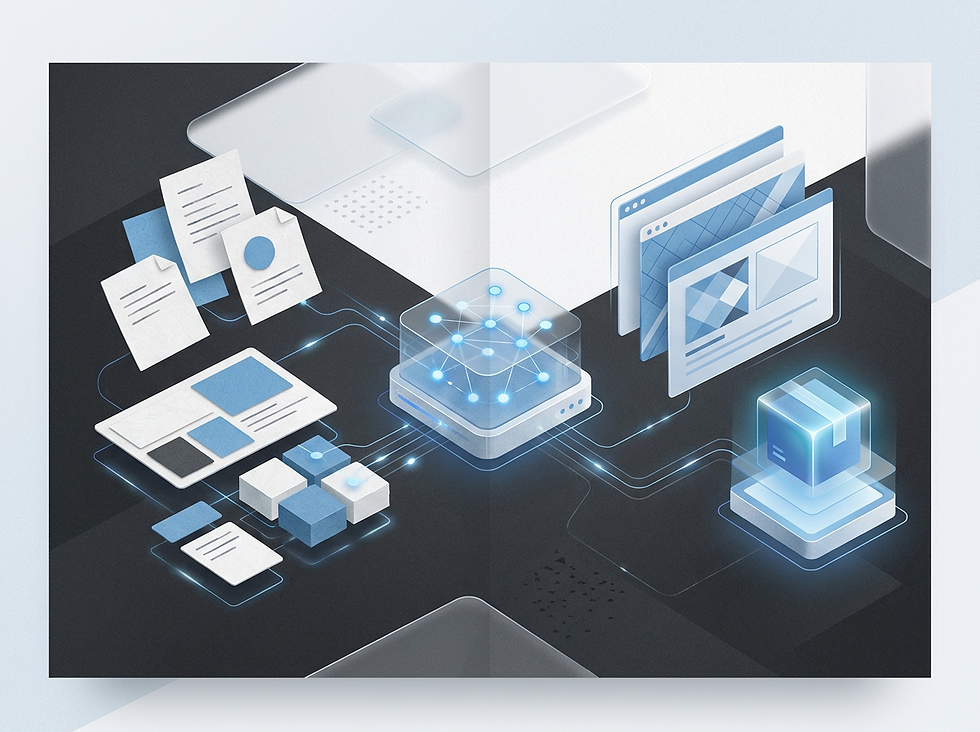
What Canva and ChatGPT each contribute
ChatGPT is most useful during planning and drafting. It can help organize rough ideas, create an outline, identify missing steps, rewrite confusing explanations, and produce several versions of instructions or examples. Its output still requires human review because it can misunderstand context, repeat generic advice, or produce inaccurate details.
Canva is most useful during visual production. It can help turn approved content into a workbook, checklist, guide, planner, template, presentation, or other downloadable resource. The design should support the reader rather than distract from the information. Consistent headings, spacing, typography, and page structure usually matter more than decorative effects.
Use each tool for the work it handles best.
Choose a digital product people can actually use
Start with one specific problem your audience already wants to solve. A useful product should help the buyer complete a task, make a decision, organize information, or follow a repeatable process.
Examples include a client intake workbook, content-planning template, onboarding checklist, service-pricing worksheet, meal planner, interview preparation guide, or step-by-step resource for a specialized task. The format should match the problem. A checklist works well for a repeatable sequence, while a workbook is better when the user must think through several decisions.
Avoid starting with a large product simply because it appears more valuable. A focused resource that solves one clear problem is often easier to create, explain, test, and improve.
Define the buyer and the problem
Write a short description of the intended buyer before creating the content. Include what they are trying to accomplish, what keeps slowing them down, what they already know, and what they should be able to do after using the product.
For example, a general social media planner is broad. A weekly Facebook content planner for local service businesses is more specific. The narrower description makes it easier to choose examples, instructions, page layouts, and terminology that feel relevant.
Create one clear problem statement, such as: This product helps independent consultants organize a month of educational content without starting from a blank page. Use that statement to evaluate every section. Material that does not support the promised result should be removed.
Use ChatGPT to organize the product
Give ChatGPT enough context to produce a useful outline. Include the audience, problem, desired result, product format, tone, and any limits.
A practical prompt might say: Create an outline for a workbook that helps independent consultants plan four weeks of educational Facebook posts. The audience understands its subject matter but needs help organizing content. Include short instructions, planning questions, examples, and a final review checklist. Do not invent statistics or platform rules.
Review the outline before asking for full copy. Remove repeated sections, reorder steps that feel unnatural, and identify where examples or explanations are still needed. Generate one section at a time rather than requesting an entire finished product in a single prompt. This makes it easier to maintain consistency and catch weak material early.
Treat generated text as a draft. Check accuracy, rewrite vague statements, and replace generic examples with situations that reflect the intended buyer.
A useful way to improve the draft is to give ChatGPT a role, a specific task, and clear boundaries. For example, ask it to act as an instructional editor reviewing a workbook for first-time service providers. Tell it what the reader should accomplish, what information must be included, and what kinds of claims or language should be avoided. Clear boundaries reduce the chance that the response drifts into unrelated advice.
You can also ask ChatGPT to review the material from different perspectives. One pass might focus on missing instructions, another on readability, and another on repeated ideas. Keep those reviews separate so the feedback remains specific. After each pass, decide which suggestions genuinely improve the product instead of accepting every proposed change.
Save the prompts that produce strong results. A reusable prompt library can make future product development more consistent, especially when you create several related resources. Label prompts by purpose, such as outlining, simplifying instructions, generating examples, checking tone, or reviewing completeness.
Never paste private customer details, confidential business information, passwords, financial records, or other sensitive material into a prompt. Replace identifying details with general descriptions whenever possible.
Build and format the product in Canva
Create the page structure before decorating the product. Decide which pages are instructional, which require user input, and which summarize the next action. Use a consistent layout so the reader quickly understands how each page works.
Choose a limited set of fonts, heading sizes, colors, and spacing rules. Make body text easy to read and leave enough room for writing or completing exercises. Decorative elements should not compete with the instructions.
Paste only reviewed content into the design. Check headings, page numbers, labels, examples, and repeated elements as you work. When a page feels crowded, reduce unnecessary copy rather than shrinking the text until it becomes difficult to read.
Before exporting, confirm that every page appears in the correct order and that no draft notes, placeholders, comments, or internal instructions remain.
Review accuracy, usefulness, and design
Review the product in three separate passes.
First, check accuracy. Verify instructions, examples, names, links, and any statements that could become outdated. Remove claims you cannot support.
Second, check usefulness. Follow the product from beginning to end as though you were the buyer. Confirm that each step is clear, the sequence makes sense, and the promised result is achievable with the information provided.
Third, check design. Look for inconsistent fonts, crowded pages, weak contrast, confusing labels, and sections that are difficult to scan. Review the exported file rather than relying only on the editing screen.
Ask at least one person who resembles the intended buyer to use the product without verbal guidance. Their questions may reveal missing instructions or assumptions that were not obvious during creation.
Create a simple review sheet before testing the product. Ask the reviewer to note where instructions feel unclear, where they expected more detail, and which pages they would likely skip. Questions tied to specific tasks usually produce more useful feedback than asking whether the product is good. Record the changes you make so later revisions do not accidentally restore an older error or remove an important improvement.
Package the product for delivery
Export the product in the format the buyer needs and give the file a clear name. Include a short instruction page explaining what the product contains, how to use it, and what to do first.
Check every link and confirm that editable resources open correctly. Do not include private information, internal notes, customer data, or assets you do not have permission to distribute.
Keep the delivery simple. Buyers should not have to search through several folders to find the main product. When multiple files are necessary, label them clearly and explain the purpose of each one.
Test the final download and open it on more than one device before distributing it.
Common mistakes to avoid
Avoid asking ChatGPT to create the entire product without a detailed brief. That often produces repetitive, generic material.
Do not design the product before the audience, problem, and outcome are clear. Attractive pages cannot repair a weak concept.
Do not publish generated claims without checking them. Tool features, pricing, availability, and platform rules can change.
Avoid adding pages only to make the product look larger. Every page should help the buyer move toward the promised result.
Do not skip the final export review. Formatting problems, missing links, draft notes, and incomplete instructions often appear only after the file has been exported.
Implementation checklist
Define the intended buyer.
Write one clear problem statement.
Choose a product format that fits the task.
Use ChatGPT to develop and refine the outline.
Draft and review one section at a time.
Verify claims, examples, links, and instructions.
Build a consistent page structure in Canva.
Review accuracy, usefulness, and design separately.
Test the product with someone similar to the intended buyer.
Export, open, and test the final delivery files.
Frequently asked questions
Can ChatGPT create the entire digital product?
It can help draft and organize the content, but the creator should still review accuracy, tone, examples, structure, and usefulness. Human judgment is necessary before the material is distributed or sold.
What types of digital products can be created with Canva and ChatGPT?
The workflow can support guides, workbooks, checklists, planners, templates, presentations, instructional resources, and other products that combine written information with visual formatting.
Should the content or design come first?
The audience, problem, outcome, and basic content structure should come first. Design decisions are easier once the purpose and page requirements are clear.
How can I prevent the content from sounding generic?
Give ChatGPT specific context, generate one section at a time, and replace broad examples with situations drawn from the intended buyer's real work or goals.
What should I verify before delivering the product?
Check the instructions, links, claims, spelling, page order, permissions, export quality, and file access. Also confirm that no private data, placeholders, or internal notes remain.
Do I need to disclose that AI helped create the product?
Disclosure expectations may depend on the platform, client agreement, industry, or use case. Review any applicable rules and make a responsible decision based on how the product will be used.
Conclusion
Creating digital products with Canva and ChatGPT works best when the tools support a clearly defined process. Begin with a real audience problem, use ChatGPT to organize and refine the material, use Canva to present it clearly, and review the finished product with care. The value comes from the usefulness and accuracy of the resource, not from the number of pages or the amount of automation involved. A careful final review also protects the buyer experience and your professional reputation.
Next Step
Explore AI Creators Academy for the next practical step.
Keep Reading
Take the Next Step
Ready to turn this into a real digital product? Create & Cash In gives you a focused path from idea to finished offer.



Comments