How to Create an AI-Powered Digital Product From Your Expertise

Updated: 5 days ago
This guide shows established professionals, consultants, creators, and business owners how to turn their expertise into a practical AI-powered digital product without building complex technical systems. You’ll learn to organize your existing knowledge into a reusable digital asset designed to support direct sales. By the end of this tutorial, you’ll have a clear, actionable workflow to create and cash in on your expertise using AI tools that require no coding or technical skills.
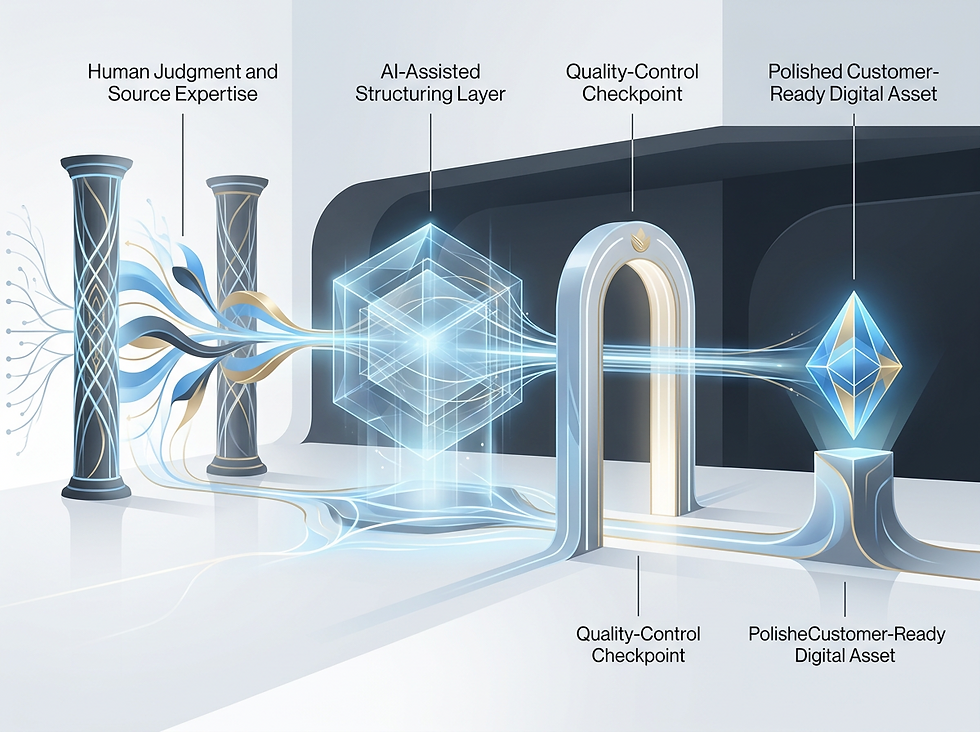
How to create an AI-powered digital product: Practical Foundations
Creating an AI-powered digital product means developing a reusable, automated solution that leverages artificial intelligence to deliver specific value to your audience. For professionals, this translates to building a digital asset—like a template, guide, or workflow—that solves a recurring problem your expertise addresses. Unlike generic AI tools, this approach focuses on practical, revenue-generating outputs that you can sell directly to clients or customers. The key is to start small: identify one clear goal, choose the right tool, and create a minimum viable product that delivers practical value.
This process ensures you avoid over-engineering while still achieving measurable outcomes.
Step 1: Decide What You Want to Accomplish
Before selecting tools or starting work, define a single, specific goal that aligns with your expertise and audience needs. For example, if you’re a financial advisor, your goal might be to create an AI tool that generates personalized budget templates for clients. This step prevents scope creep and ensures your digital product solves a real problem. Ask yourself: What is the most valuable outcome I can deliver? What specific problem does this solve for my target audience?
By narrowing your focus, you can create a practical product that addresses a specific audience need without requiring extensive development time.
Step 2: Choose the Right Tool
Select a tool that matches your technical comfort level and the type of output you need. For professionals, platforms such as ChatGPT, Claude, or AI workflow builders like Make.com can help create templates, guides, and automated reports without requiring extensive coding experience. Evaluate tools based on their ability to handle your specific use case—such as generating consistent, high-quality outputs—rather than features alone. Avoid tools that demand complex configurations or require ongoing maintenance. The goal is to find a solution that fits your existing workflow and produces useful, consistent outputs.
Step 3: Add the Right Information
To configure your AI tool effectively, provide it with clear, structured examples that reflect real-world scenarios. For instance, if you’re creating a financial template, include a few sample budgets with specific details like income sources, expense categories, and savings goals. This helps the AI understand patterns and generate more relevant and consistent outputs. Avoid vague instructions or overly broad data sets. Instead, focus on precise, actionable inputs that the AI can use to produce reliable results. The more targeted your examples, the better the AI will adapt to your audience’s needs.
Step 4: Test the First Result
After adding your information, run a small test to confirm your AI tool works as intended. For example, generate one budget template using your sample data and check if it aligns with your expectations. This step helps you evaluate whether your product delivers value before scaling up. If the output is inconsistent or inaccurate, revisit your examples or instructions to refine the tool. Testing early prevents wasted effort and helps you identify issues before committing to a full rollout.
Step 5: Review and Improve the Results
Once your initial test passes, review the output for accuracy and relevance. Adjust your examples or instructions to improve consistency and quality. For instance, if the AI generates templates that lack detail, add more specific examples or refine your prompts to guide it toward better outputs. This iterative process ensures your AI-powered digital product evolves to meet audience needs while maintaining high standards of quality and reliability.
A Realistic Professional Example
Consider a marketing consultant who wants to create an AI tool that generates personalized social media content calendars for their clients. They start by defining a goal: produce a weekly content calendar tailored to their client’s industry and audience. Next, they choose a tool like ChatGPT to build a template with specific prompts for content themes, platforms, and engagement strategies. After adding a few sample calendars, they test the output by generating one for a real client.
The result is a reusable, high-quality template that can save time and provide a useful, repeatable result—demonstrating the potential value of this approach without overcomplicating the process.
Common Mistakes to Avoid
One common mistake is overcomplicating the process by trying to build a tool that solves too many problems at once. This leads to wasted time and inconsistent results. Another error is using vague prompts that don’t provide enough context for the AI to generate more relevant and consistent outputs. For example, compare the vague instruction “Create a marketing plan” with the more specific direction “Generate a 30-day social media content calendar for a B2B SaaS company with specific engagement tactics.” Always prioritize clarity and specificity in your instructions to ensure the AI delivers what you need.
Additionally, avoid assuming the AI will handle all aspects of the workflow—test and refine the output before scaling.
Professional Implementation Checklist
Define a single, specific goal that aligns with your expertise and audience needs. Select a tool that requires no coding and fits your use case. Provide clear, structured examples with specific details. Test the output with a small, real-world example. Review and refine the results to ensure accuracy and relevance. Iterate based on feedback to improve consistency. This checklist ensures you stay focused and avoid common pitfalls while building a functional AI-powered digital product.
Frequently Asked Questions
What is an AI-powered digital product?
It’s a reusable digital asset created with the help of AI to address a specific audience problem. It may be sold directly or incorporated into an existing service or workflow.
Who should create an AI-powered digital product?
Established professionals, consultants, creators, and business owners who want to monetize their expertise without building complex systems.
How can an established professional create an AI-powered digital product?
By defining a clear goal, choosing the right tool, adding structured examples, testing the output, and refining results through iteration.
What tools are needed to create an AI-powered digital product?
AI platforms such as ChatGPT, Claude, or workflow builders like Make.com can help create consistent digital-product outputs without requiring advanced coding skills.
How much does it cost to create an AI-powered digital product?
Costs depend on the tools and plans you choose. The final digital product may also require an investment of time and resources to develop, test, and refine.
What are the first steps for creating an AI-powered digital product?
Define your goal, choose a tool, add structured examples, test the output, and refine results through iteration.
What mistakes should professionals avoid when creating an AI-powered digital product?
Overcomplicating the process, using vague prompts, and assuming the AI handles all aspects of the workflow without testing.
What can professionals do after creating their first AI-powered digital product?
Sell the digital product directly to clients, integrate it into existing workflows, or use it as a foundation for more complex AI solutions.
Conclusion
By following this guide, you’ve learned how to create an AI-powered digital product that turns your expertise into a practical digital asset designed to support revenue. This process gives professionals a practical way to develop and refine an AI-powered digital product without unnecessary technical complexity. The key is to begin small, stay focused, and prioritize actionable results over perfection. AI Twin Playbook helps established professionals use practical AI tools to build reusable knowledge, content, and workflow systems.
Ready to turn your expertise into a digital product? Explore Create & Cash In to build a practical, revenue-focused offer using the knowledge and systems you already have.
Keep Reading
Take the Next Step
Ready to turn this into a real digital product? Create & Cash In gives you a focused path from idea to finished offer.
Evaluate the Delivery Platform
The product itself is only part of the buyer experience. Community access, lessons, support, and platform cost also affect the offer. See whether Skool is worth it for course creators using AI.



Comments