
How to Build a Simple Free-to-Paid Funnel Without Complicated Technology

Updated: 4 days ago
For professionals who already understand the value of strategic content and audience engagement, creating a free-to-paid conversion funnel doesn’t require complex technology stacks or technical expertise. This guide focuses on practical, ethical implementation paths that leverage existing digital tools and workflows you’ve already mastered. We’ll walk through a step-by-step process to transform high-value free content into a sustainable paid product without compromising quality or audience trust.
Why Start with High-Value Free Content?
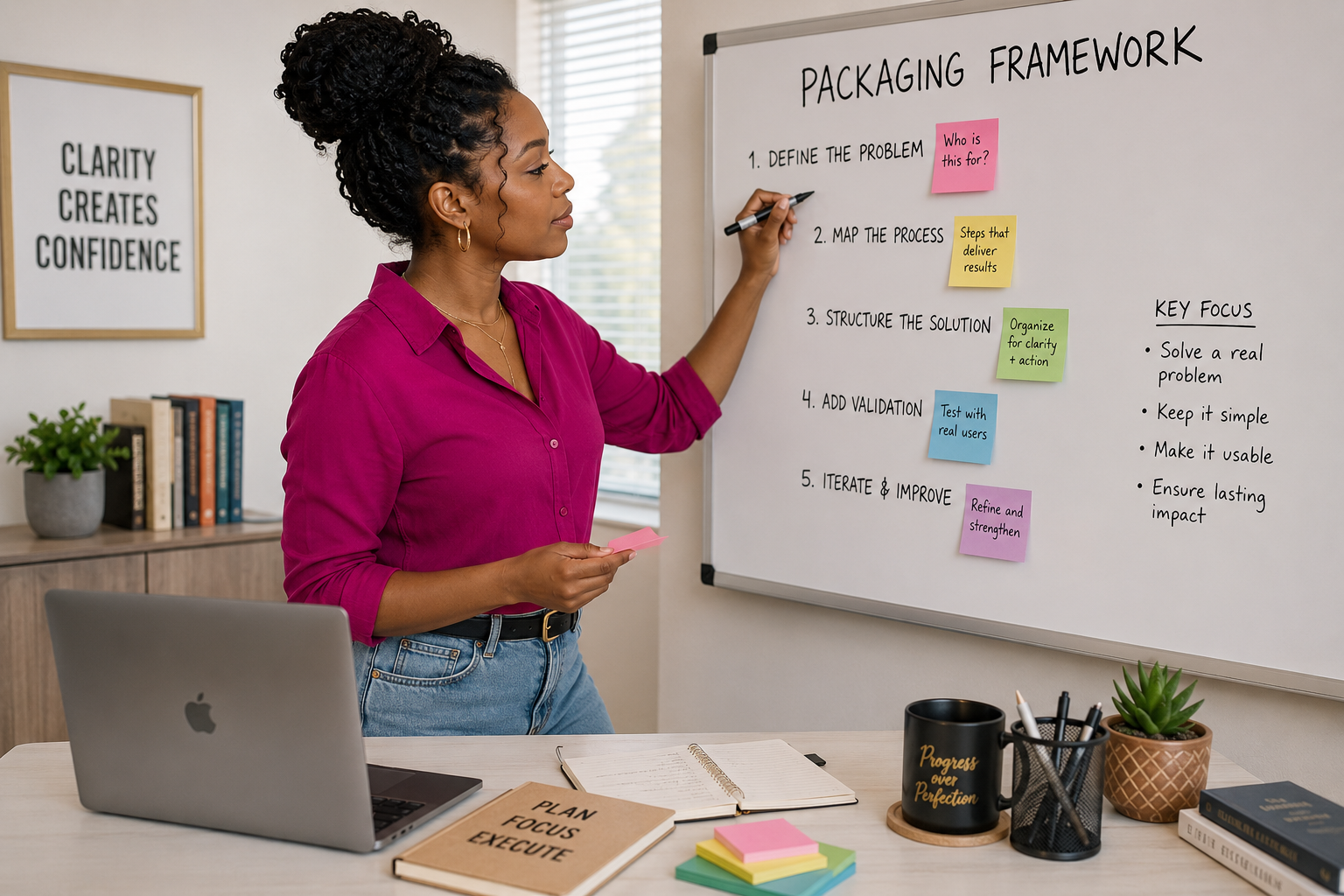
The foundation of any successful funnel begins with content that genuinely solves problems for your target audience. Instead of chasing low-quality traffic or superficial engagement, focus on creating free resources that provide immediate, actionable value. For example, a marketing consultant might develop a free template for optimizing email sequences that includes real-world examples and clear implementation steps. This type of content attracts professionals who are already invested in your niche and sets the stage for a natural transition to paid solutions.
Step 1: Identify Your Target Audience’s Pain Points
Before building your funnel, deeply understand the specific challenges your audience faces. This involves asking questions like: What are the most common frustrations in your industry? How do they currently solve these problems?
What gaps exist in existing solutions? For instance, a freelance graphic designer might notice that clients struggle with inconsistent branding across platforms. By addressing this pain point with a Once you've completed the free method above, Create & Cash In is an optional next step if you want additional help building on what you created. It is not required to complete this guide. https://www.aitwinplaybook.com/create-cash-in on creating cohesive brand identities, you create content that resonates with professionals who need practical, immediate help.
Step 2: Create a High-Value Free Resource
The next step is to produce a free resource that directly addresses the identified pain points. This could be a template, checklist, case study, or short guide. The key is to ensure the resource is useful enough that users will want to engage further.
A software developer might create a free code snippet library that solves common debugging issues, which naturally leads to a paid subscription for advanced troubleshooting support. This approach maintains ethical standards by providing genuine value before requesting payment.
Step 3: Implement a Simple Conversion Path
After delivering the free resource, establish a clear, low-friction path for users to transition to your paid product. This could involve a simple email sequence, a short survey, or a direct link to your paid offering. For example, a financial advisor might include a follow-up email with a personalized assessment tool that helps users identify their financial goals, leading to a paid consultation package. The conversion path should be transparent and relevant to avoid overwhelming users.
Step 4: Add Ethical Follow-Up and Value Continuation
Three to five days after they receive your free resource, send a short, helpful email like, "Here’s a quick tip to apply what you learned from [resource name] right now." Ten to fourteen days later, share a personalized, relevant resource that builds on their initial work—this shows you truly value their time without pressure. Always clarify what’s included in the paid offer upfront: "This Once you've completed the free method above, Create & Cash In is an optional next step if you want additional help building on what you created. It is not required to complete this guide. https://www.aitwinplaybook.com/create-cash-in helps you start, but the paid course dives deeper with [specific benefit]—no extra cost, just more tailored support." Keep it simple, transparent, and focused on their
Step 5: Measure and Iterate Based on Real Feedback
Review free-resource downloads, email clicks, paid-offer page visits, direct feedback, and the point where readers stop progressing. Identify the clearest bottleneck, change only one element at a time, and compare the next round of results before making another adjustment.
A Simple Free-to-Paid Funnel Checklist
Use this checklist before launching: one clearly defined audience, one specific problem, one useful free resource, one obvious next step, one or two follow-up emails, one closely related paid offer, working links, basic click tracking, and a complete manual test of the visitor journey from signup through checkout.
Frequently Asked Questions
1. What is the first step in creating a free-to-paid funnel? Define one audience and one urgent problem before choosing tools or creating content. A focused starting point makes it easier to build a useful free resource and a paid offer that feels like the logical next step.
2. Which simple tools can I use to track user behavior without coding?
Use the analytics already included in your website, email platform, and checkout system. Track downloads, link clicks, page visits, and purchases before adding another tool. Simple built-in reporting is usually enough to identify where people stop moving forward.
3. How do I design a useful free version without a complicated setup?
Give the reader one meaningful result with as few steps as possible. Remove advanced features, unnecessary integrations, and extra choices. The free resource should be genuinely useful while leaving a clear, honest reason to continue with the paid offer.
4. What are the key metrics to monitor for a simple free-to-paid funnel? Track free-resource signups, delivery success, email click-throughs, visits to the paid-offer page, completed purchases, and the step where people leave. These numbers reveal whether the problem is traffic, messaging, follow-up, or the offer itself.
5. How can I avoid unnecessary technical complexity when building my funnel? Use one landing page, one delivery method, one email sequence, and one checkout link whenever possible. Add a new tool only when a specific limitation is blocking the customer journey—not because a more complicated setup appears more professional.
By focusing on high-value free content and ethical follow-up, you can build a conversion funnel that works for professionals who already understand the value of strategic content. This approach avoids the need for complicated technology stacks while ensuring that your paid product feels like a natural extension of the initial value you provided. The result is a sustainable, audience-focused funnel that prioritizes trust and long-term relationships over quick wins.
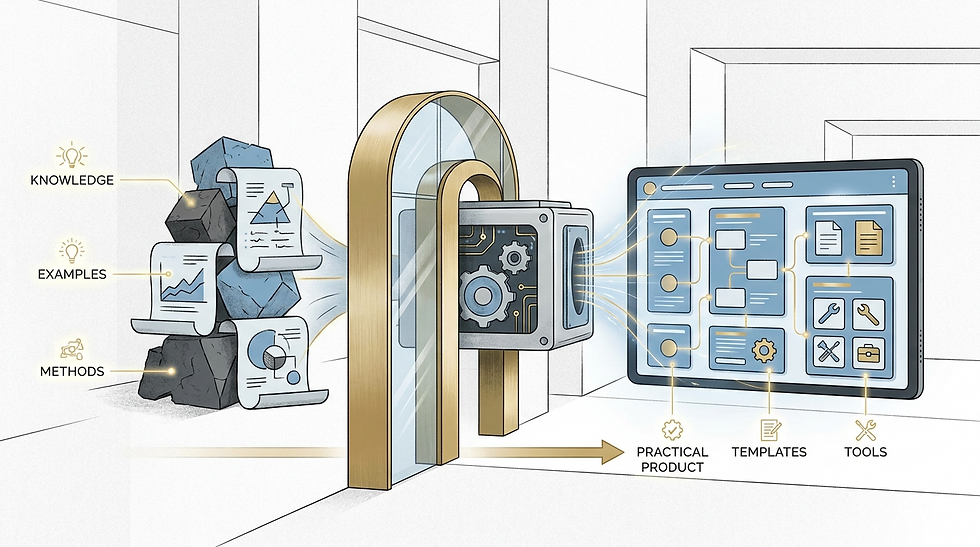
Ready to organize your expertise into a practical digital product? Explore Create & Cash In.
Keep Reading
Ready for a simple next step? Get the Once you've completed the free method above, Create & Cash In is an optional next step if you want additional help building on what you created. It is not required to complete this guide. https://www.aitwinplaybook.com/create-cash-in and use it to put the ideas in this article into action.
Choose the Right Community Step
A free-to-paid funnel often needs a place for ongoing discussion, support, and offer delivery. Compare Skool and Facebook Groups for course creators using AI before choosing the platform that will support that journey.


Comments