Build a Blog Content System That Brings Readers Back

To build a blog content system that brings readers back, organize every article around a clear outcome and the next useful step. Getting a reader to one blog post is useful. Giving that reader a clear reason to come back is what turns scattered traffic into an audience. A returning-reader system does not require daily publishing, complicated automation, or a giant email funnel. It requires connected content, useful next steps, and a consistent promise that each visit will help the reader make progress.
The strongest blog systems do not treat every article like an isolated page. They organize posts around a reader journey. One article answers the immediate question. A second helps the reader act on the answer. A third solves the next problem that naturally appears. When the sequence is intentional, the blog begins to feel like a useful resource instead of a collection of unrelated posts.
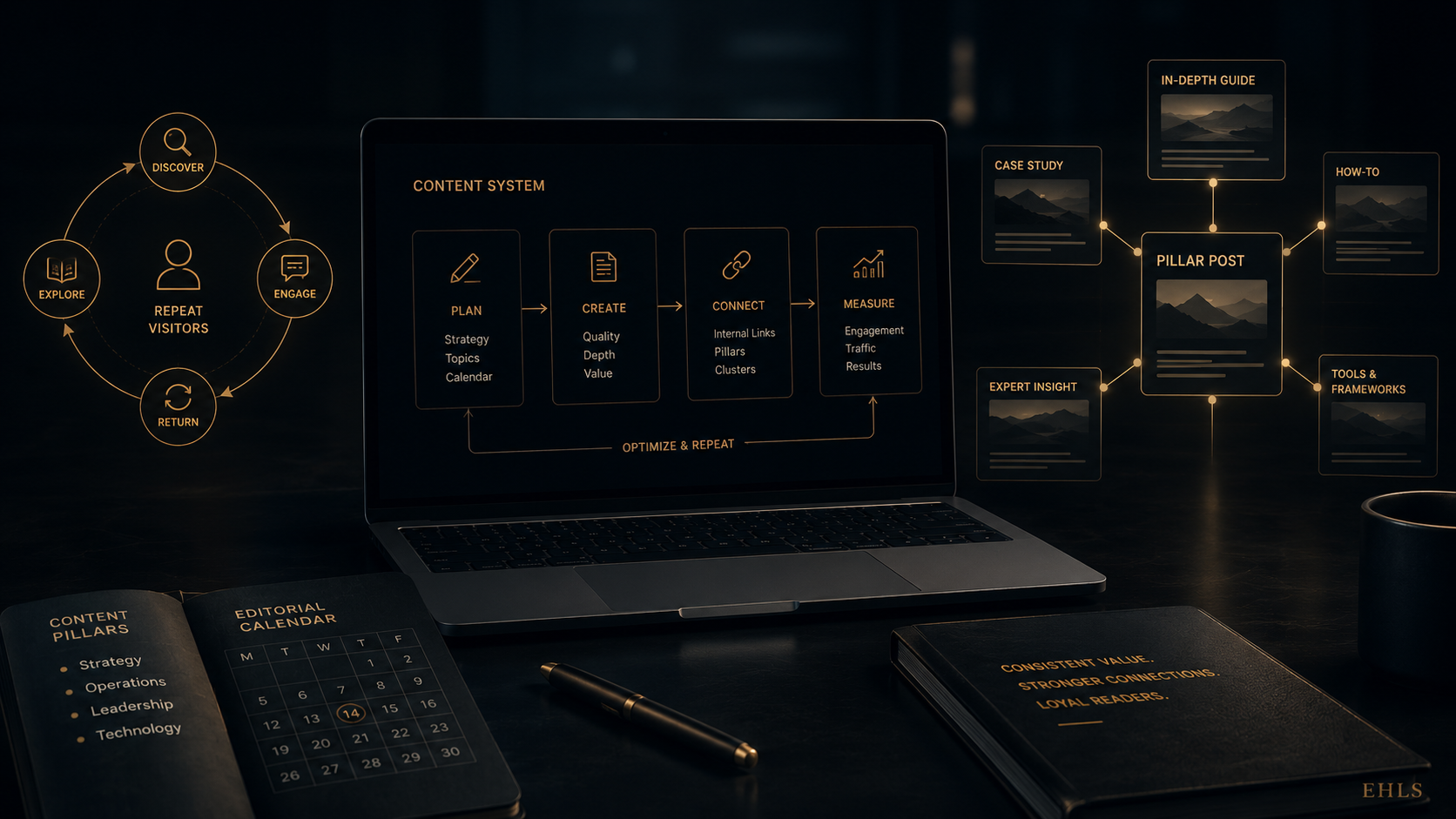
Build a blog content system around one reader outcome
Once the outcome is clear, list the questions a beginner asks before, during, and after the task. Those questions become a connected article series. This prevents random topic selection and makes it easier to create internal links that genuinely help the reader.
Turn single posts into a guided series
A useful series usually contains three types of posts. The first explains the decision. The second provides a process or template. The third helps the reader troubleshoot or improve the result. For example, a post about choosing a digital product idea can lead to an idea-validation checklist, then to a product-outline tutorial.
Add a short next-read section near the end of every article. Do not list five unrelated links. Recommend one primary next step and, when helpful, one alternative. Explain why the next article matters. A sentence such as “Once you have chosen your idea, use this outline process to turn it into a product you can actually finish” creates a smoother transition than a generic related-posts block.
Give readers a clear paid next step
Place the invitation after the reader has received real value. Use direct language that explains what the paid offer helps the reader do, who it is for, and exactly where to click.
Create repeatable return points
Readers return when they expect useful continuity. You can create that expectation with a monthly topic series, a clearly named beginner path, updated resource pages, or follow-up articles that answer common questions from earlier posts. The schedule matters less than the consistency of the promise.
Document the headline pattern, opening style, level of detail, examples, and next-read structure that perform best. Reusing a proven structure is not the same as repeating the same article. It gives readers a familiar experience while allowing each post to solve a different problem.
Measure the right signals
A returning-reader system works when each article does more than attract a visit. It helps the reader take one useful step, shows the next step, and makes the value of returning obvious.
Your next step
Choose one published article that already answers an important beginner question. Add one specific next-read recommendation, connect it to a relevant paid offer, and plan the next two articles in the sequence. That small change can turn one strong post into the beginning of a dependable revenue path.
Turn this strategy into a paid offer
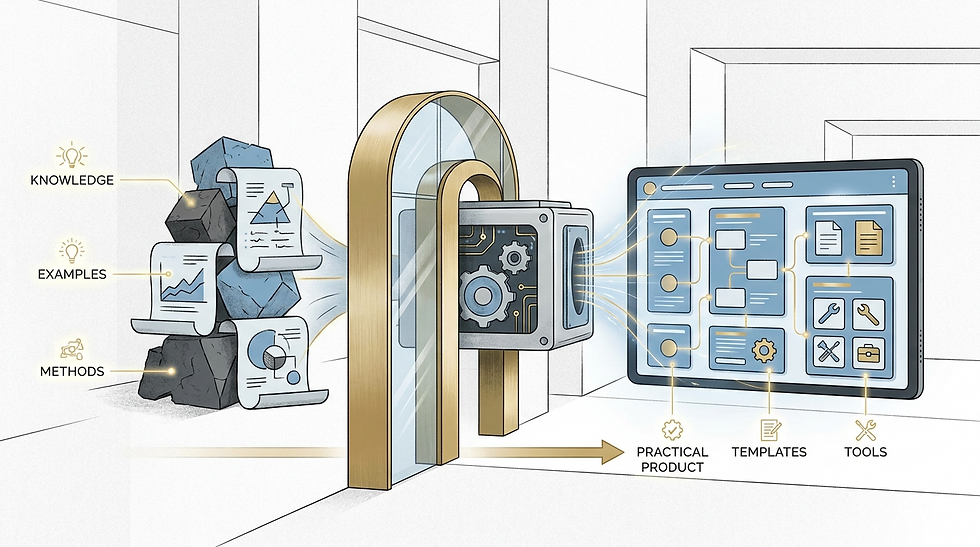
Ready to put this into action? Explore Create & Cash In for a focused path from idea to a finished digital product you can sell.


Comments